01 / WASTE
The starting point
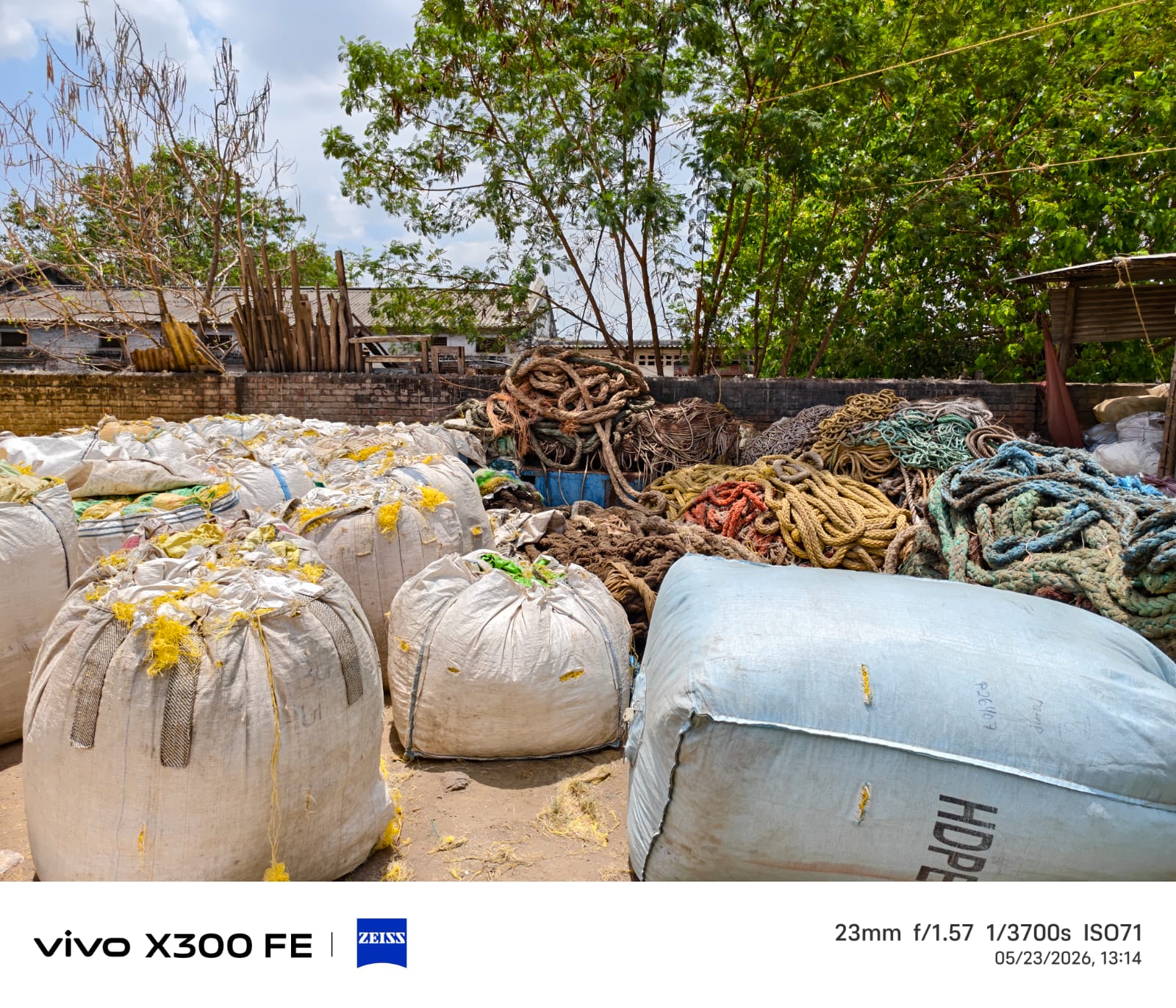
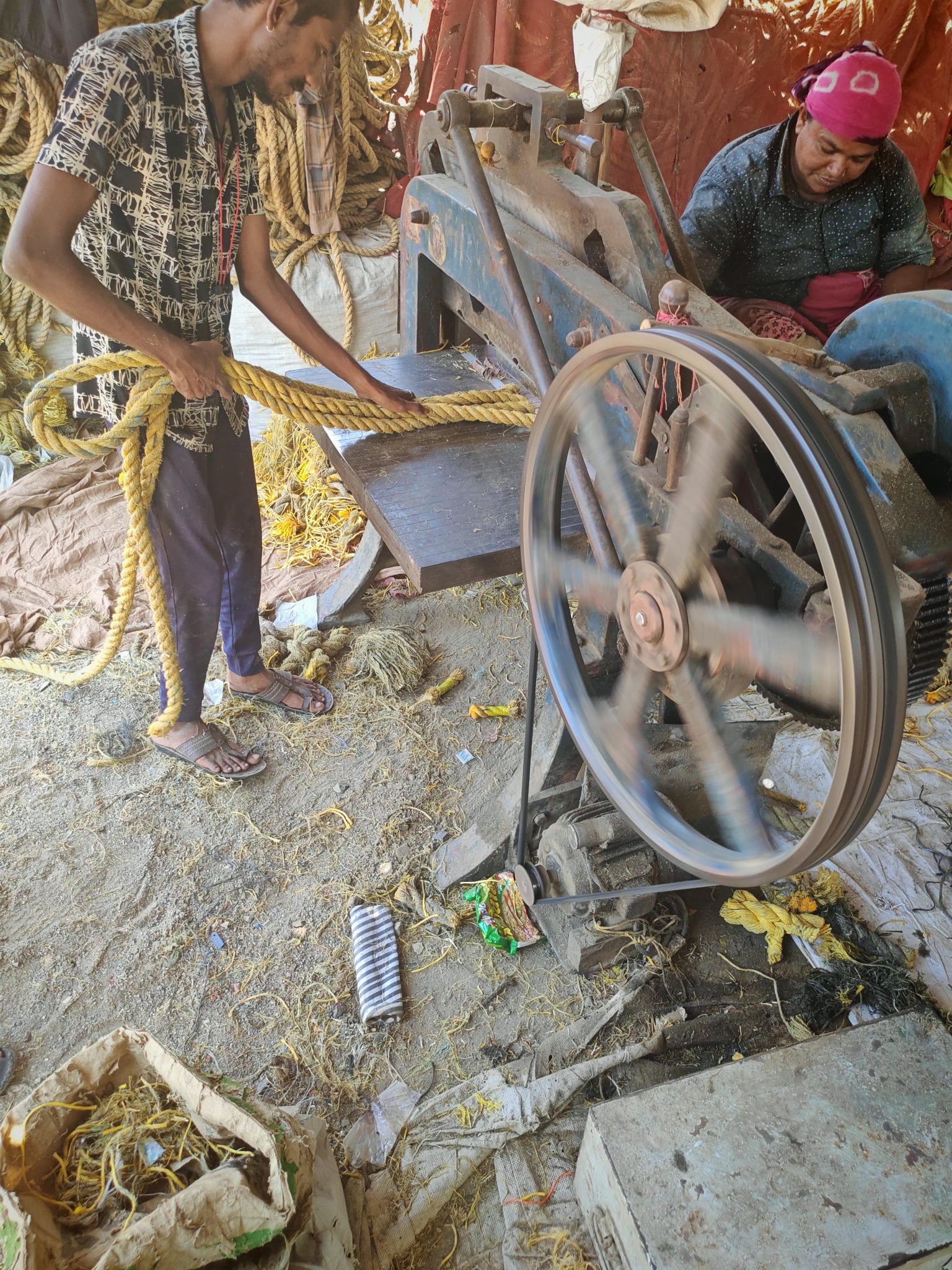
Discarded material is collected and sorted. Plastic, ropes and fibre remnants begin a journey we can follow through to fabric and bag.

Colour, form and craft. Discover how recovered material becomes a bag designed to be worn again and again.
Explore the journeyReports of beaches and waterways covered in waste reveal the scale of the problem. In India, as elsewhere, collecting discarded materials and finding another use for them is urgent. Our journey begins here.
Editorial summaries linked to the original publishers. These are reports from 2015 and 2018; figures belong to those articles.
A texture, an unexpected pairing of colours, a new way to carry it. For Babachic, design means discovering possibilities in recovered materials.
Follow the journey of each piece: selection, transformation, thread, fabric, sewing and the bag that finally goes out into the world.
Discarded material is collected and sorted. Plastic, ropes and fibre remnants begin a journey we can follow through to fabric and bag.
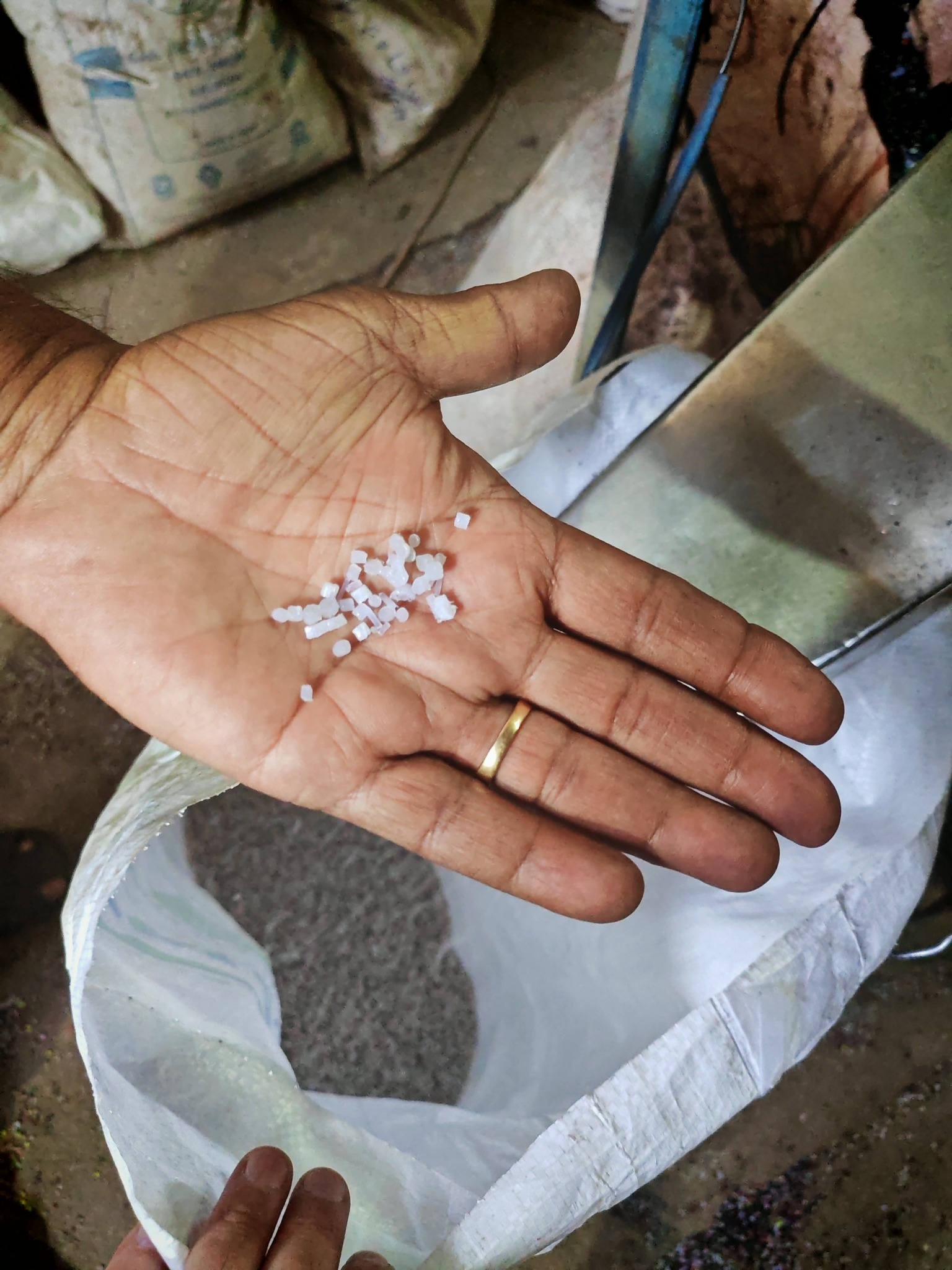
After impurities are removed, plastic is washed, dried and processed with heat and pressure. The material cools and is cut into small pellets for the next stage.
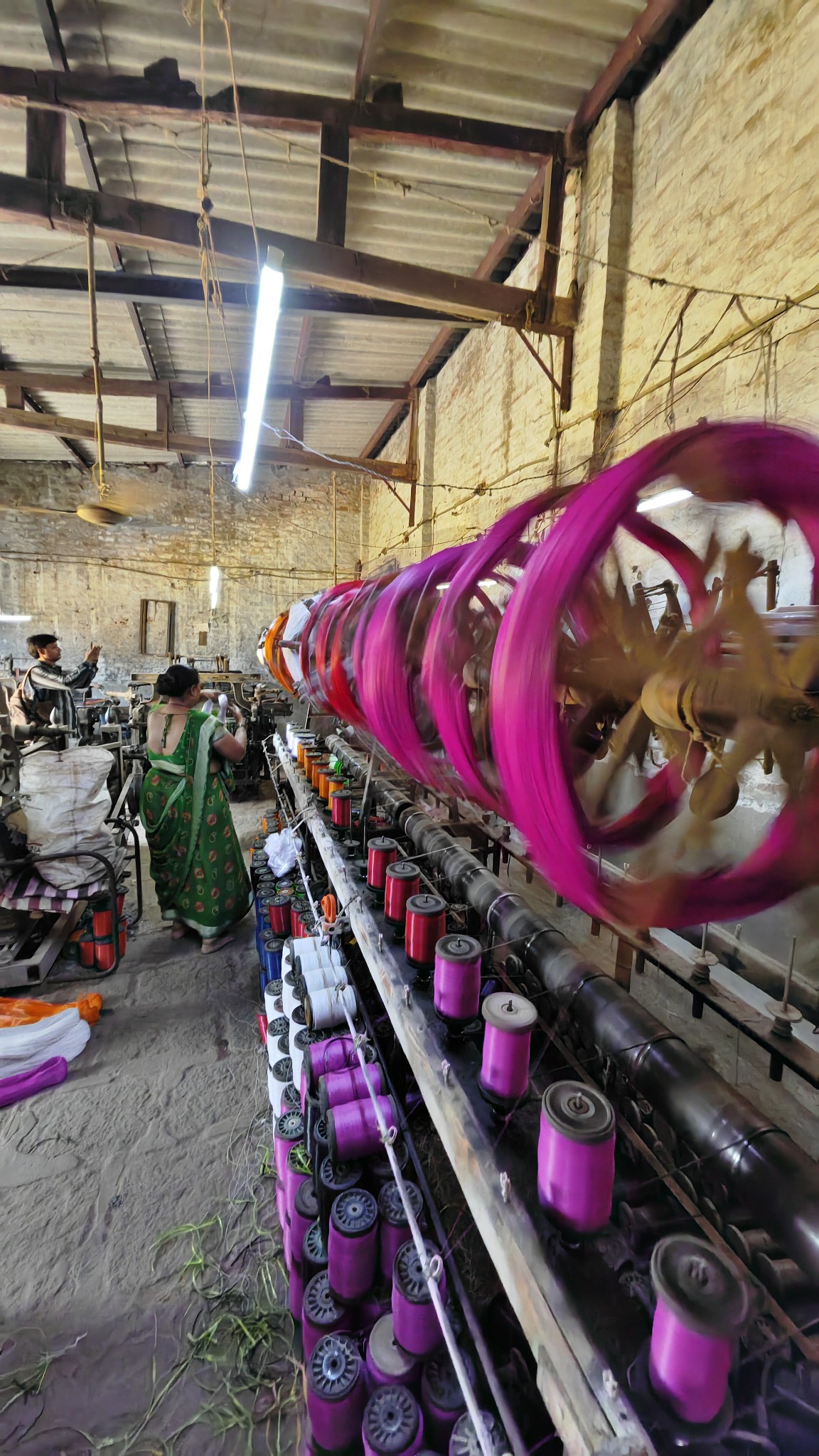
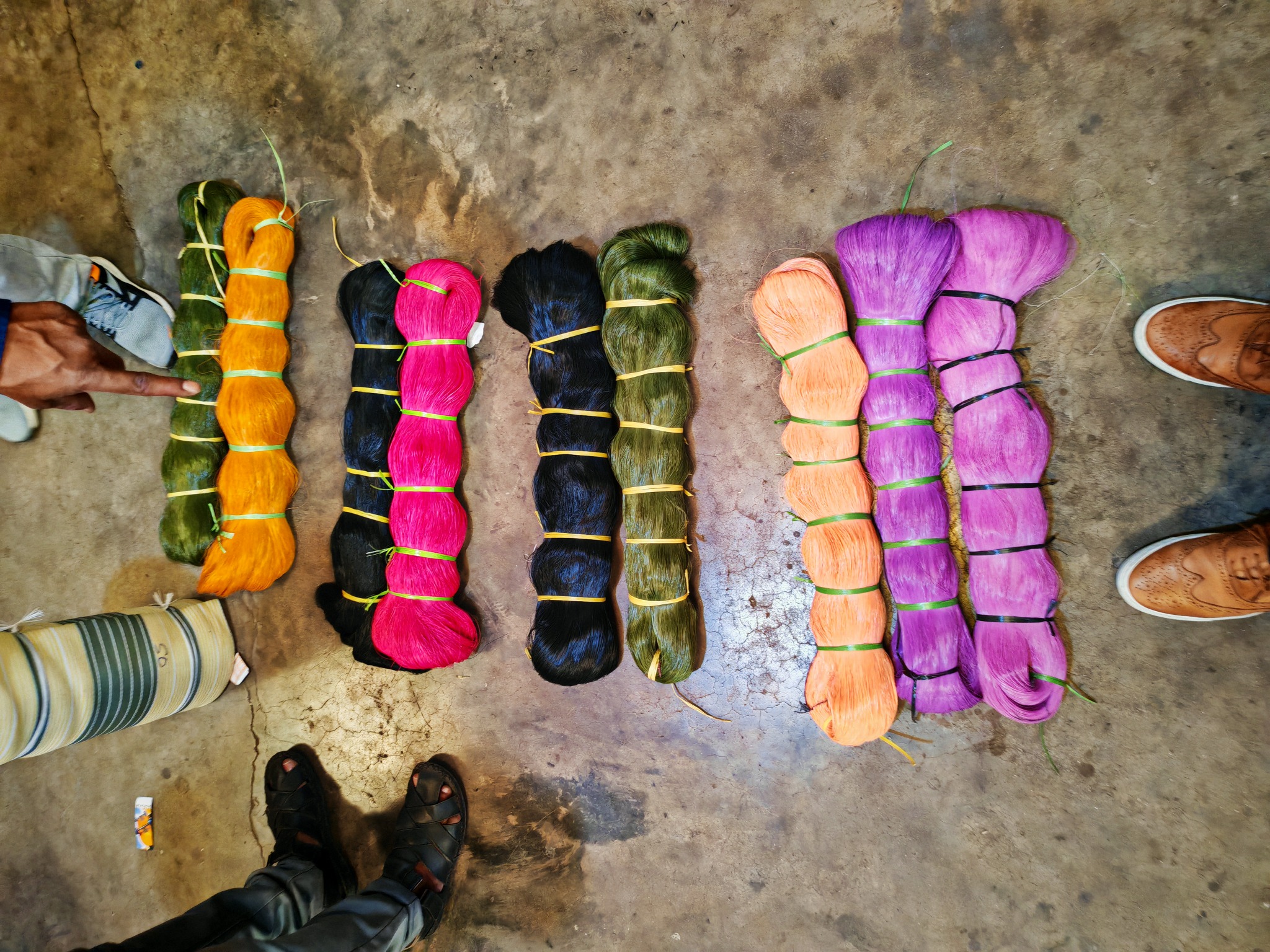
Pellets are combined with pigments and melted again to form fine threads. Once stretched and cooled, the threads are gathered and arranged on spools by colour.
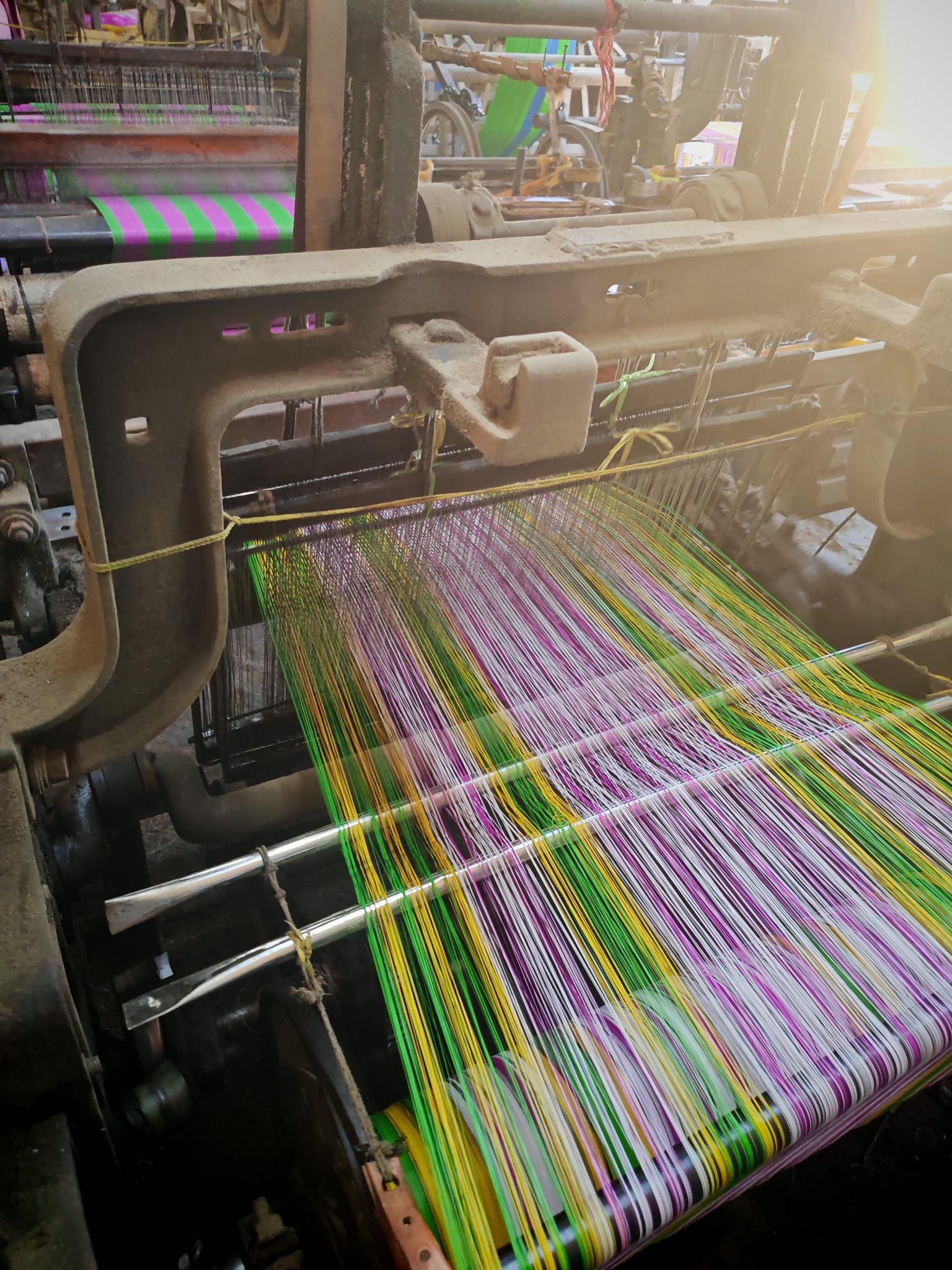
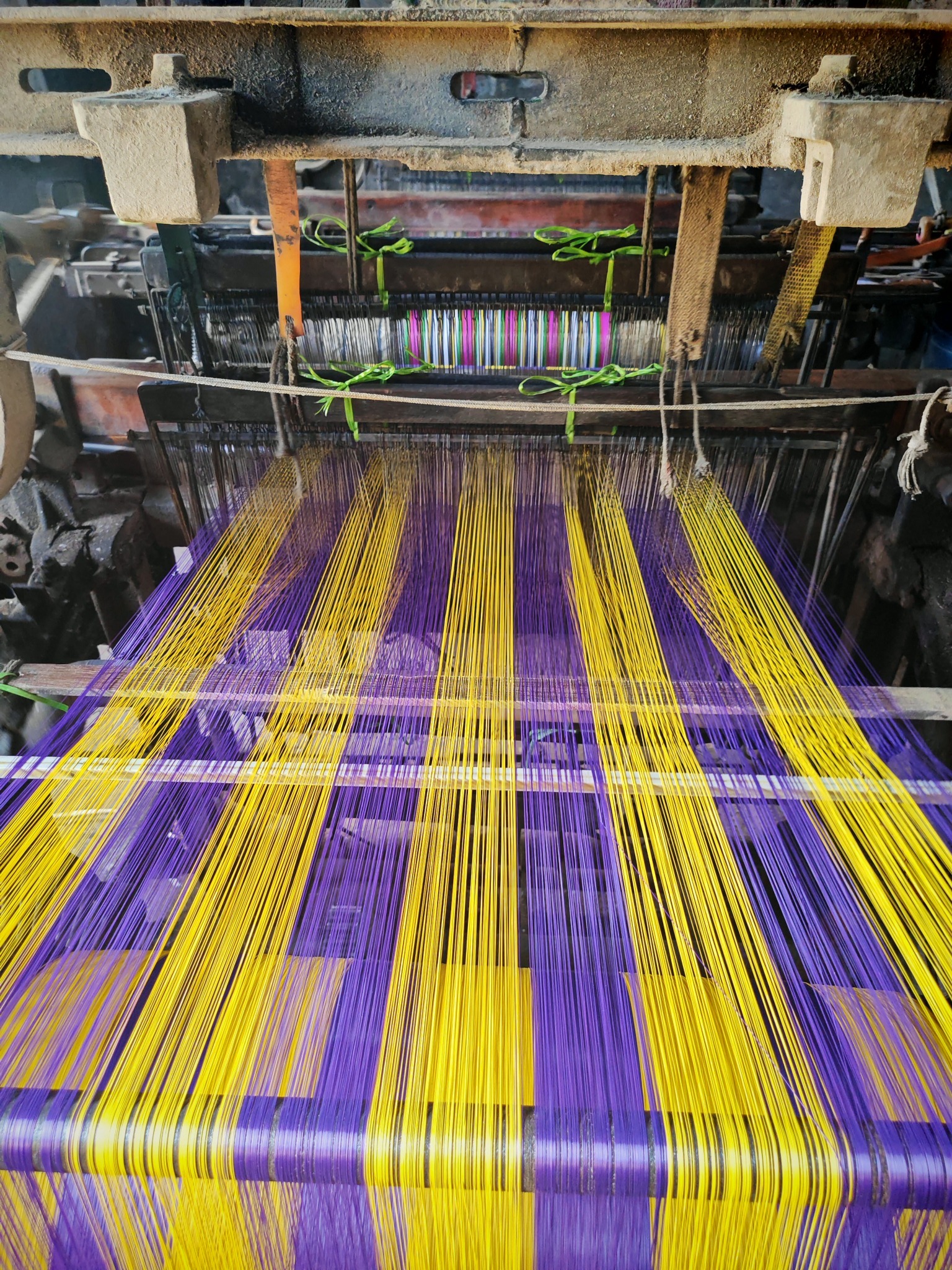
The spools are arranged to define the pattern. On the loom, threads cross and reveal the weave designed for each fabric.
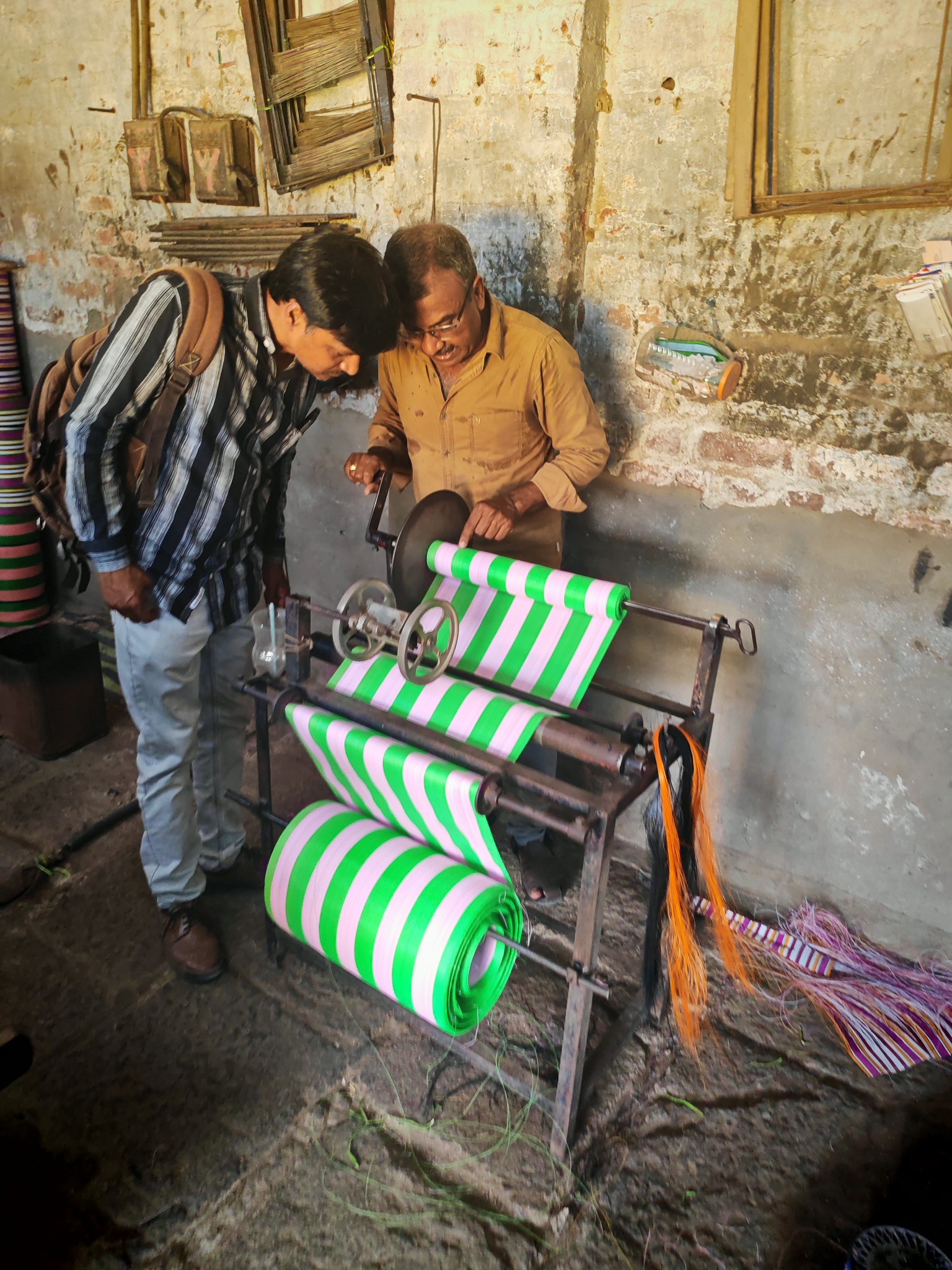
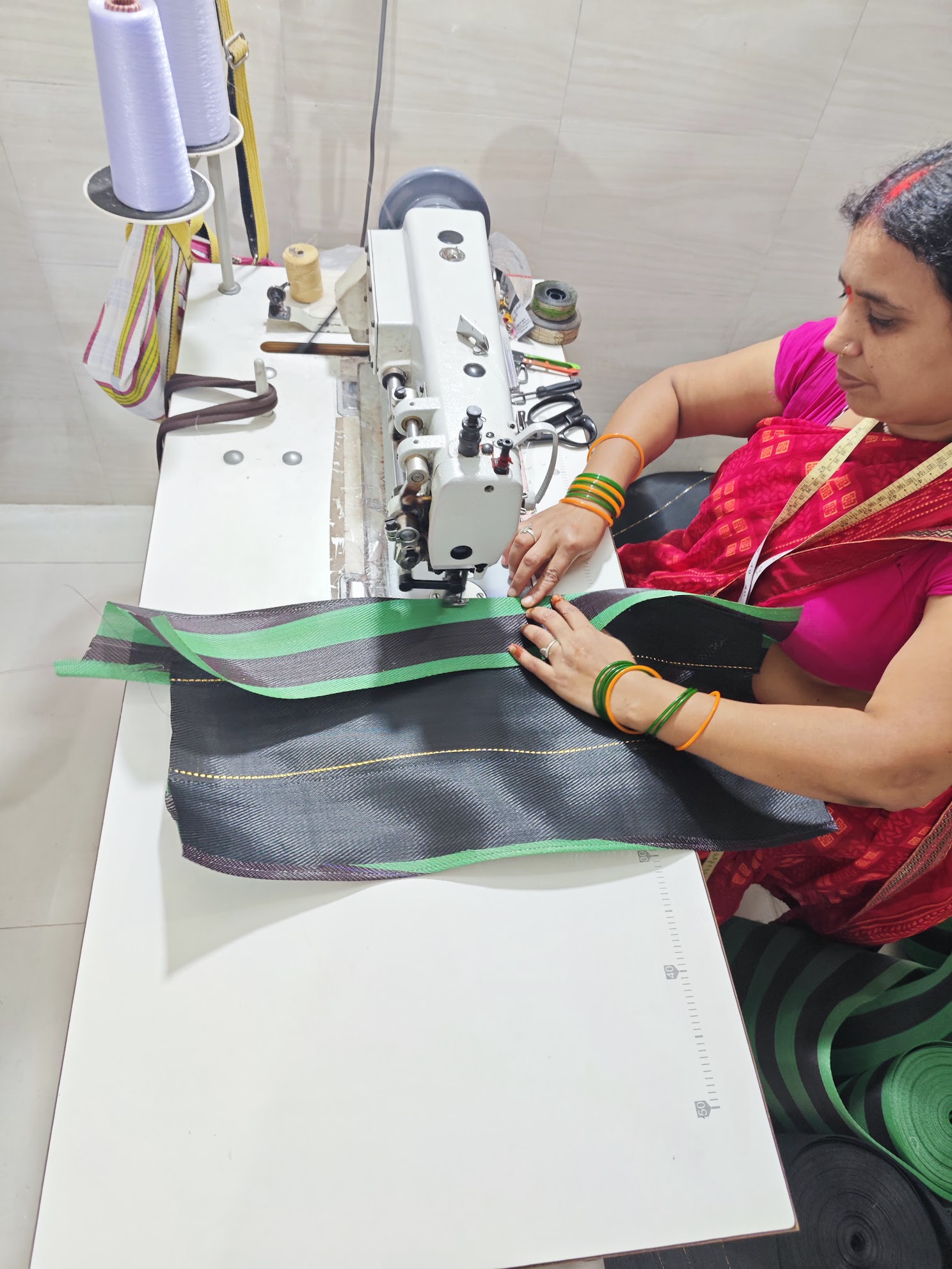
Fabric is cut, sewn and finished in the workshop. The craft of the women and men making it shapes the fit and finish of each piece.
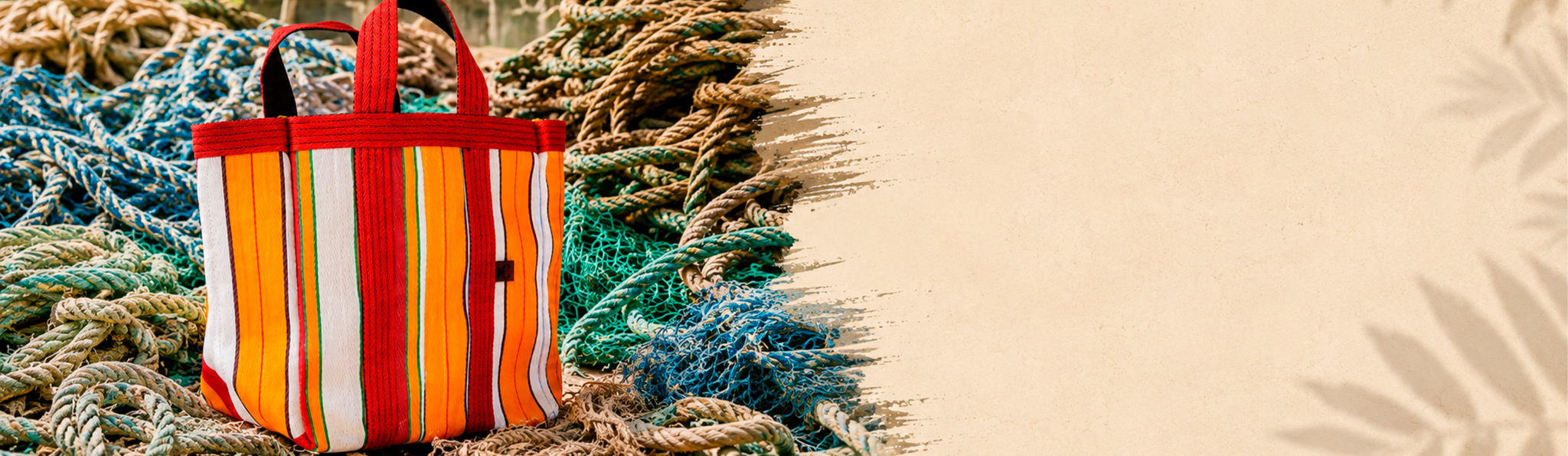
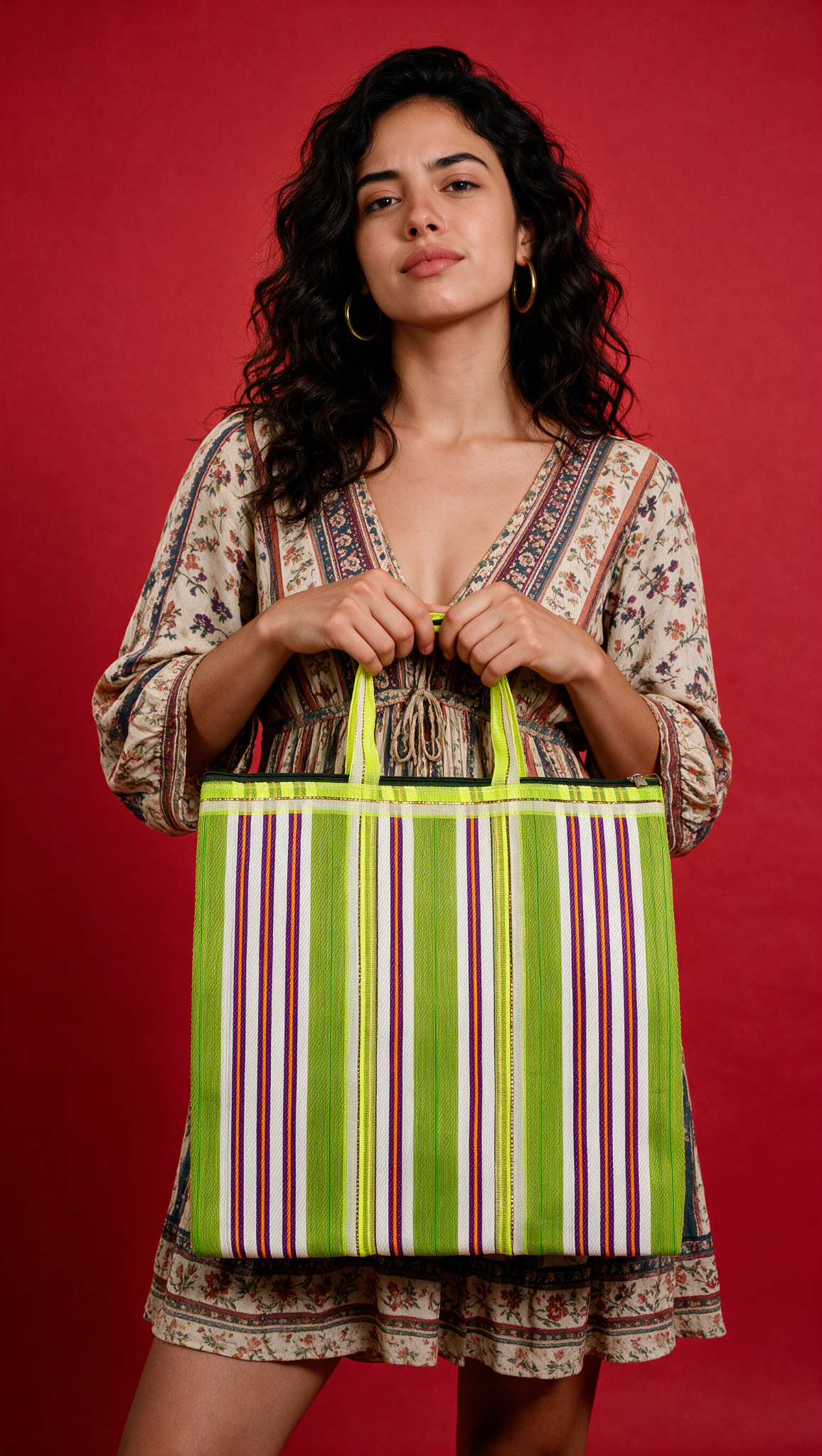
The journey reaches a finished bag, but its story continues with every use. Recovered material becomes everyday design.
A second life for the material. Endless ways to carry it.
Since 2007, Max and his partner Rajesh have grown a small workshop in Varanasi, Uttar Pradesh. Design and craft meet there every day: testing a weave, adjusting a colour, refining a piece.
Max draws inspiration from volume, colour and unusual materials. India’s textile traditions and the exchange with people who master them feed collections the workshop can develop from idea to finished piece.
The team of women and men artisans is part of the Babachic family. We are committed to dignified employment, lasting relationships and recognition of the work and knowledge behind every bag.
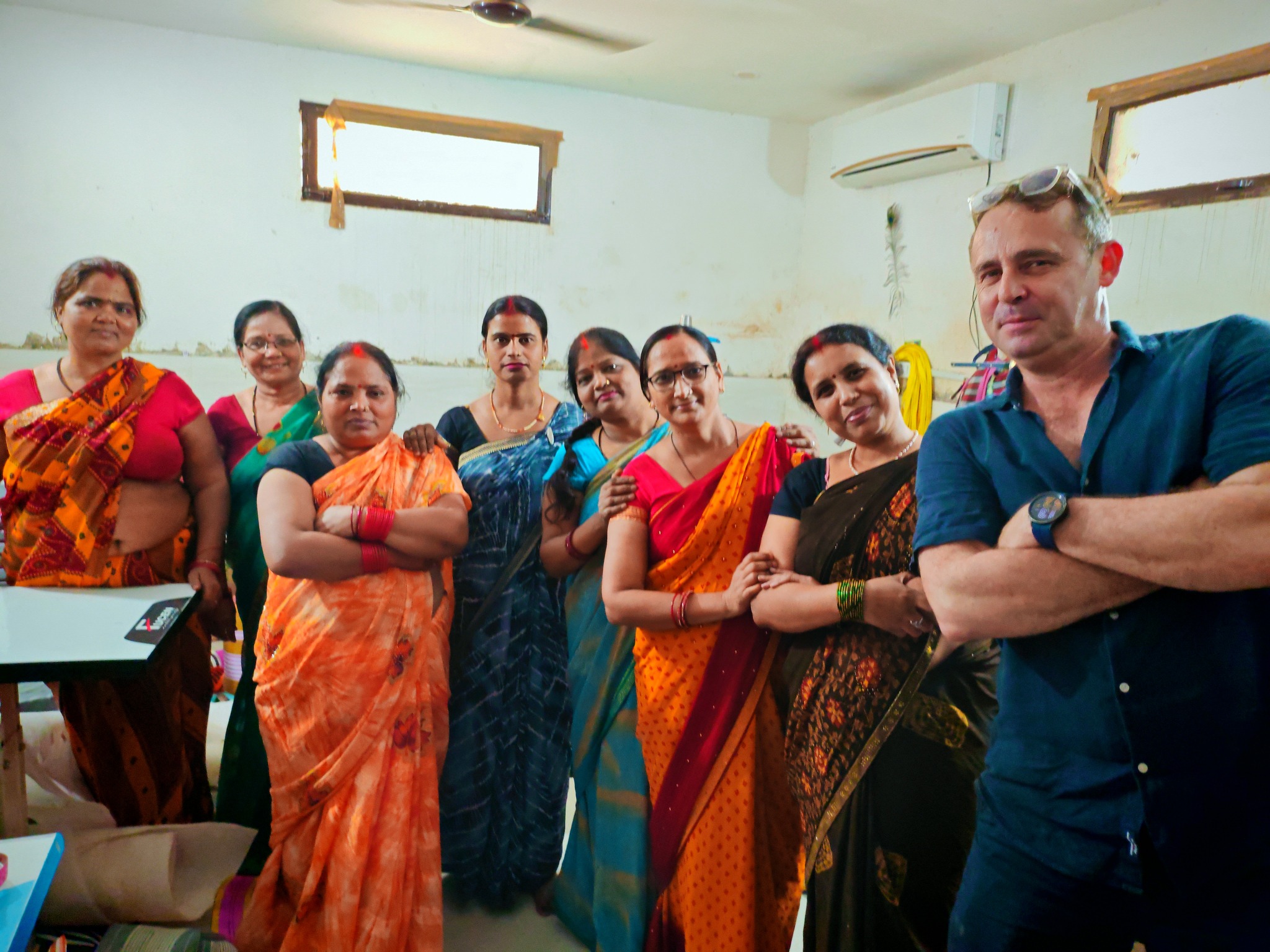
A growing workshop of our own lets us develop fabrics and designs alongside the team that brings them to life.
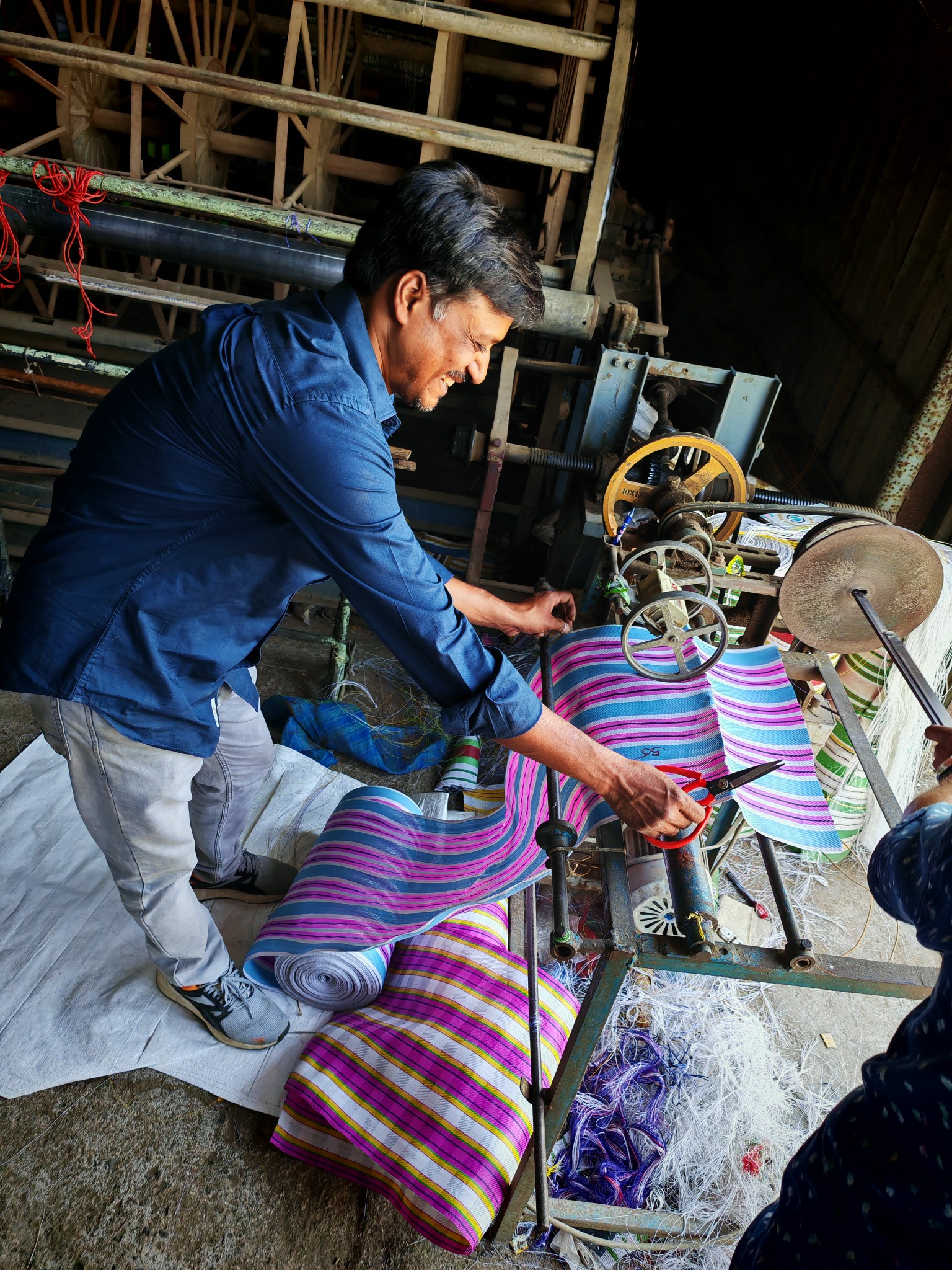
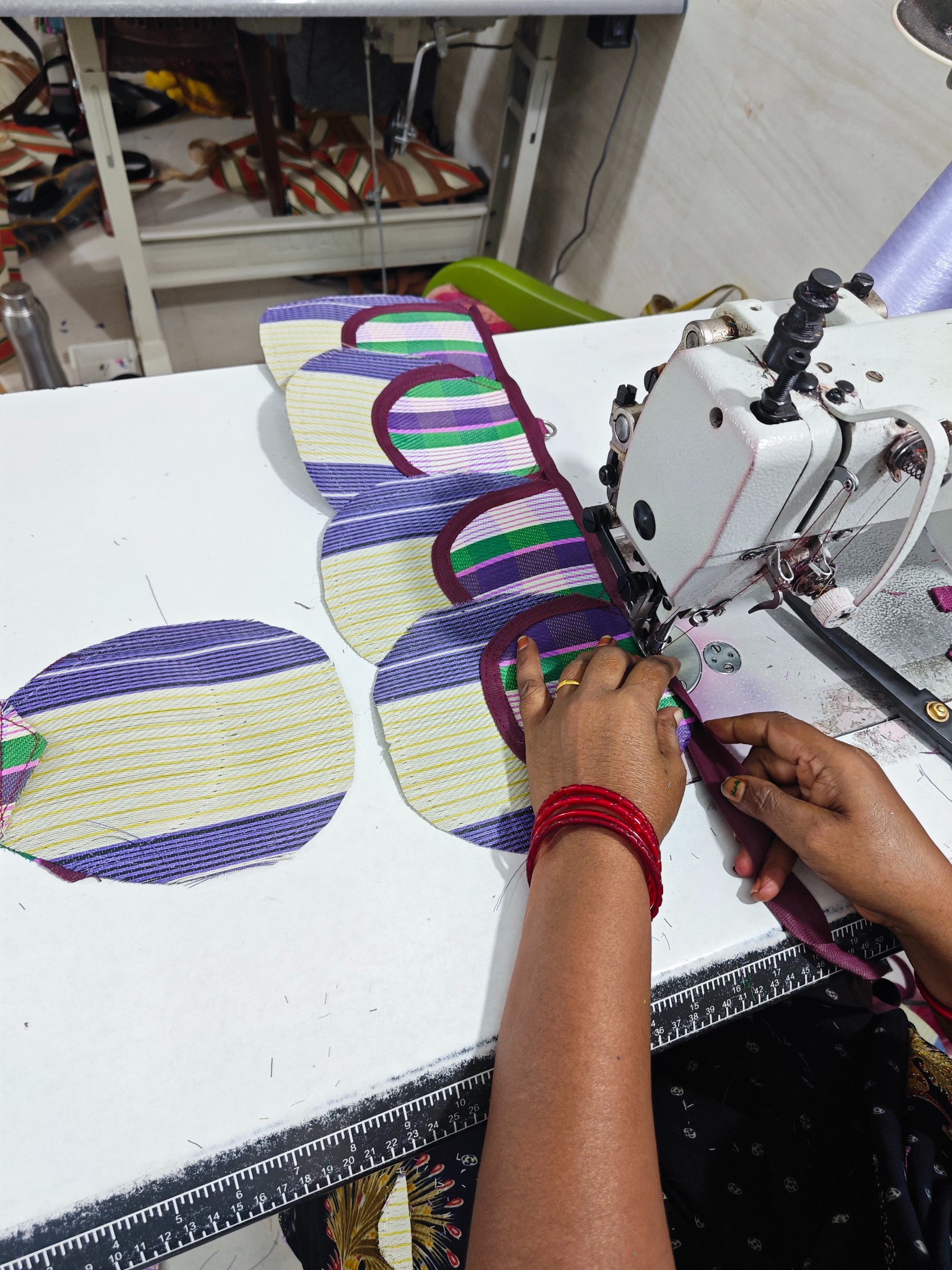
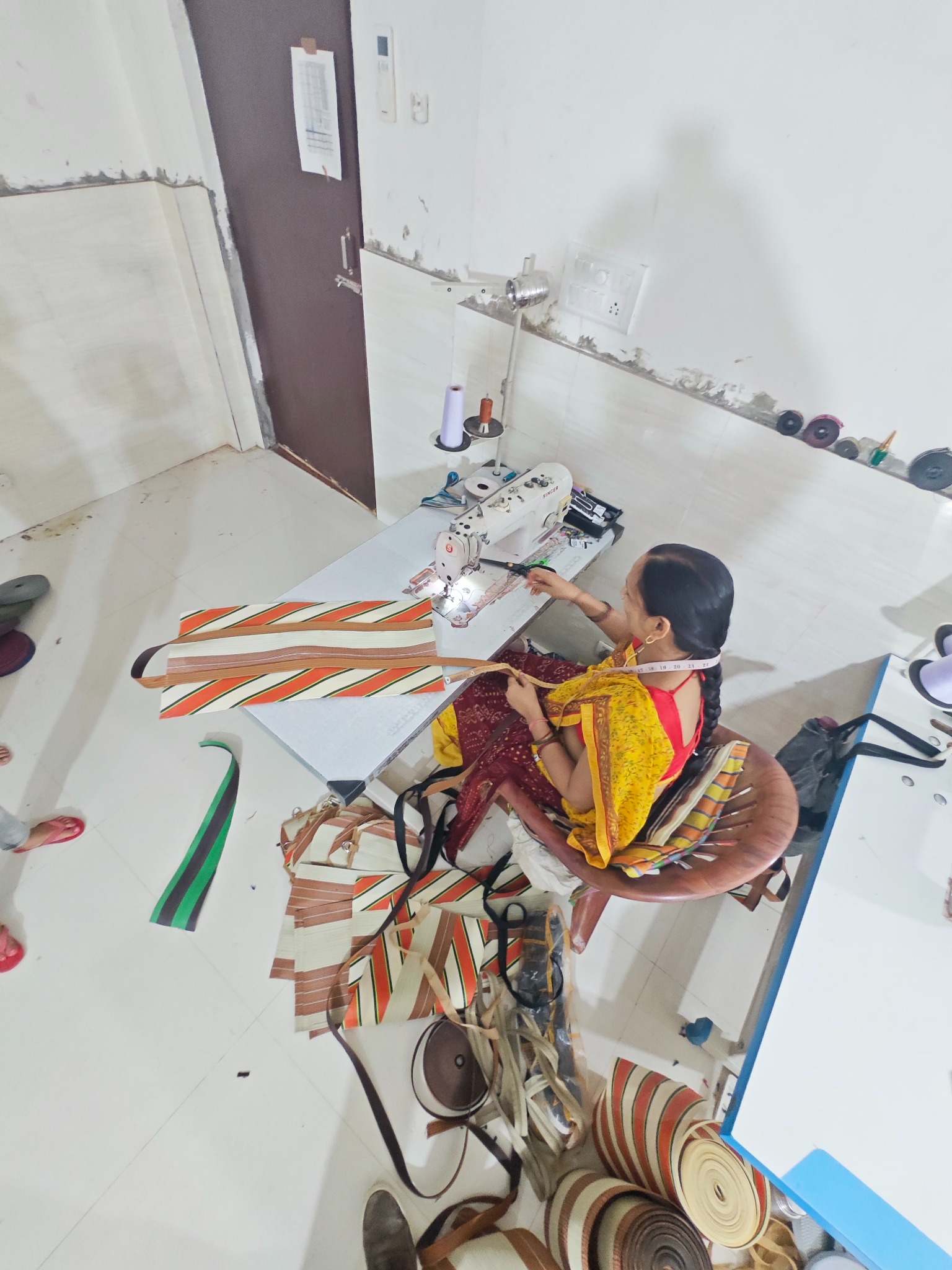
A city with a long textile tradition. The map marks Varanasi as a city; it does not reveal the workshop’s exact location.
At Babachic we show how the plastic we use changes: from waste to pellet, thread to fabric, and fabric to bag. Our own team helps develop designs and textiles, a central part of what makes us distinct.
French design, a base in Spain and handcraft in India come together in lightweight, durable pieces full of colour. The material’s story continues with the person who chooses to carry it.